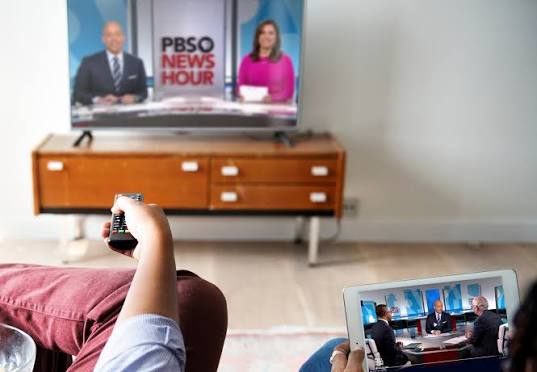
The phrase public television live sounds like it should lead to one simple stream. Open a website, press play, and watch. In reality, public TV live access is more local than many viewers expect. The channel, schedule, app, and even availability can depend on where the viewer lives and which public station serves that area.
In 2026, public television is easier to stream than it used to be, but it still does not behave like a global entertainment app. PBS says viewers can watch a live stream from their local PBS station through PBS.org by using the LIVE TV option, but it also says viewers can only watch the live stream from a local PBS station that serves their broadcast area.
For Watch Livestream Sound of Text, this article belongs in the Television category because the intent is not about creators going live. It is about viewers trying to watch public TV programming live, legally, and without getting confused by location limits, app support, and schedule differences.
Public Television Live Is Local Before It Is Digital
Public television feels national because many viewers recognize the same major programs. But the live stream itself often comes through a local station. That local layer still matters online.
Local Stations Shape The Live Experience
A viewer may think they are simply watching “PBS live,” but the stream usually represents a local PBS station. That station may carry national shows, local programs, public affairs, educational content, pledge programming, regional documentaries, and community updates.
This local structure is why two viewers in different cities may not see the same exact live schedule at the same time. PBS also notes that a local station’s live stream may not always match what is airing on its television broadcast, and viewers can check the schedule beside the live stream.
That is not a weakness. It is part of what makes public television different from a normal national streaming channel.
Location Access Is Not Just A Technical Barrier
When PBS asks for location access or limits a livestream by area, it can feel annoying to viewers. But the reason is tied to local service areas and rights. PBS says viewers outside a station’s service area cannot view that station’s livestream, and local PBS station live streams are only available within the United States and Territories.
This makes public TV live access different from normal on-demand streaming. A viewer may be able to watch some videos later, but the live channel is still tied to place.
The 2026 Review Is Positive But Not Perfect
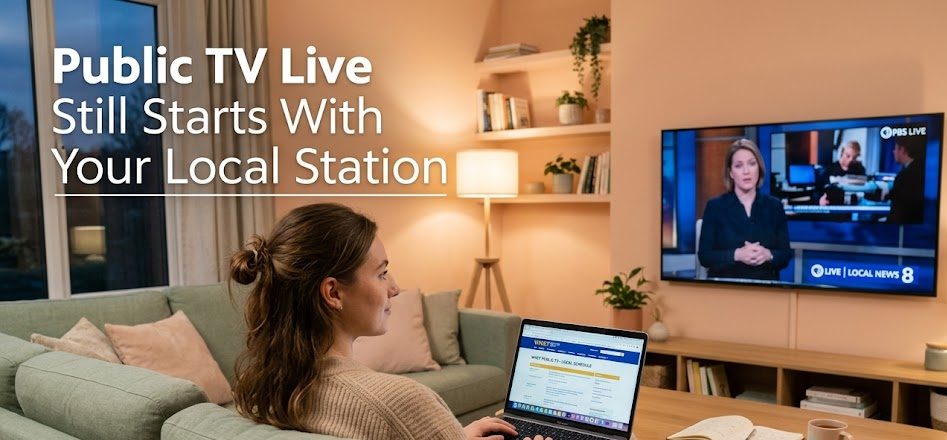
Public television live streaming is in a stronger place now because viewers have more ways to watch than traditional antennas and cable boxes. Still, the experience can feel uneven when people expect every public TV program to be available everywhere.
The Free Access Model Is Still One Of Its Strengths
One of the strongest points of public television live access is that it can be free through official PBS routes. PBS says viewers do not need to be Passport benefit members, do not need to pay a fee, and will not be asked for payment information before watching the PBS.org live stream.
That is important in a streaming market full of subscriptions, bundles, add-ons, and paywalls. Public TV live access still gives viewers a legal, lower-friction way to watch educational, cultural, documentary, news, and local programming.
Device Support Is Better But Still Specific
PBS live streaming is available through supported web browsers and the PBS app on selected devices. PBS lists supported browsers such as Chrome, Firefox, Safari, and Microsoft Edge, and says the PBS app live stream is available on devices including Roku, Apple TV, Amazon Fire, Android TV, iPhones, iPads, and Android mobile devices.
This is good coverage for many viewers, but it also means unsupported smart TV browsers or unusual device setups may not work smoothly. In 2026, public TV live streaming is accessible, but viewers still get the best experience when they use the official app or supported browser.
Public Television Live Works Differently From On-Demand PBS
One of the biggest viewer misunderstandings is assuming that live availability and on-demand availability are the same. They are not.
Live Rights And Replay Rights Can Split Apart
A viewer may watch a program live and then search for it later, only to find that it is not available on-demand. PBS explains that different legal rights are required to offer videos on its site and app, so not every program available through the live stream can also be offered outside the live broadcast or livestream.
This is a key reason public television live still matters. Some programs may be easiest to catch when they air. Waiting for a replay may not always work.
The Schedule Still Matters
Streaming has trained viewers to expect everything on demand. Public television live pushes viewers back toward appointment viewing. That can feel old-fashioned, but it also creates a calmer viewing rhythm.
For documentaries, local public affairs, cultural programming, history shows, and educational programs, the live schedule can help viewers discover content they might never search for directly.
Public TV On Live TV Streaming Services Adds Convenience
Public television live access is not limited to PBS.org or the PBS app. Some live TV streaming services also carry local PBS stations.
Hulu Live TV Expands The Public TV Route
PBS Help states that all local PBS stations are now streaming live on Hulu + Live TV, allowing viewers to watch PBS programs live through the Hulu website or app, with U.S. residency required to access a PBS station on Hulu + Live TV.
That matters because many viewers already use live TV bundles as a cable replacement. If public television is included in the same service they use for news, sports, and entertainment, it becomes easier to keep PBS in the everyday viewing mix.
YouTube TV Also Shows How Public TV Has Moved Into Bundles
PBS Help says more than 100 local PBS stations are streaming live on YouTube TV, letting viewers watch PBS programs through the YouTube TV website or app.
This shows the wider shift. Public television is no longer only a broadcast signal or a standalone public media app. It is also appearing inside larger live TV ecosystems, though exact availability can still depend on the viewer’s market and service.
Public Television Live Is Strongest For Certain Viewing Needs
Public TV live is not trying to compete with every entertainment platform on speed, volume, or binge culture. Its strength is different.
Educational And Documentary Viewing Feels Natural Here
Public TV is still one of the more natural places for documentaries, science programs, history series, arts coverage, public affairs, and educational content. PBS’s show directory includes genres such as Arts & Music, Culture, Documentaries & Indie Films, Food, History, News & Public Affairs, Science & Nature, and more.
That makes the live stream useful for viewers who do not always know exactly what title they want. Sometimes the value is turning on the station and letting the schedule introduce something worthwhile.
Local Programming Gives It A Different Role
Local public TV can cover community stories, regional history, local debates, education issues, arts events, and public affairs in a way national streaming platforms usually do not. This is where public television live feels most distinct.
A global platform may be better for blockbuster entertainment. A local public station may be better for the kind of program that only matters deeply to a certain region.
The Main Weakness Is Viewer Expectation
The service often works best when viewers understand what public TV live is. It becomes frustrating when they expect it to behave like Netflix, YouTube, or a paid global sports platform.
Public TV Live Is Not A Universal Global Feed
A single public TV stream is not meant to serve every viewer in every country. PBS live streaming is tied to local stations and U.S. service areas, which means international viewers or viewers outside a local area may not be able to access a specific station stream.
That can disappoint people searching from outside the United States, but it is better to know this early than to keep clicking random unofficial streams.
Public TV Live Is Not Always The Same As The Broadcast Channel
PBS says a station’s live stream may not always match the television broadcast schedule. That difference can confuse viewers who are trying to find a specific program they saw listed somewhere else.
The better habit is to check the live stream schedule directly instead of assuming the web stream, cable listing, and over-the-air broadcast always match perfectly.
A Clear Comparison Of Public TV Live Routes
| Viewing Route | Best For | Main Limitation |
|---|---|---|
| PBS.org Live TV | Viewers watching their local PBS station online | Local service area required |
| PBS app | Viewers using Roku, Fire TV, Apple TV, Android TV, or mobile devices | Device support still matters |
| Hulu + Live TV | Viewers who already use a live TV bundle | Subscription required |
| YouTube TV | Viewers who want PBS inside a broader live TV service | Station availability may vary |
| Over-the-air antenna | Traditional local public TV access | Needs reception and local signal |
| On-demand PBS videos | Catching programs later | Not every live program has replay rights |
This is the cleanest way to understand public television live in 2026. The best route depends less on the program name and more on where the viewer is, what device they use, and whether they want a free official stream or a bundled live TV service.
The Best Public TV Live Habit In 2026
The best way to watch public television live is to start official and local. Check PBS.org, the PBS app, the local station site, or the live TV provider that carries the local PBS station. Avoid unofficial pages that claim to offer public TV streams without showing a clear station source.
For viewers in the United States and Territories, the official PBS route is usually the cleanest starting point. For viewers already paying for Hulu + Live TV or YouTube TV, those services may be more convenient when PBS is included in their area. For viewers outside supported regions, on-demand clips, official YouTube uploads, or public broadcaster websites in their own country may be more realistic.
Public television live still has a valuable place in 2026 because it offers something different from endless algorithmic feeds. It is local, scheduled, educational, and often calmer than the rest of streaming. The experience is not perfect, but when viewers understand the local-first model, it becomes much easier to use.

Riku Aonuma previously worked as a programming researcher for an entertainment media company covering live concerts, esports tournaments, television specials, and cultural events. He has spent more than nine years checking broadcast schedules, comparing viewing platforms, and preparing event guides for online audiences. His articles help readers find legitimate ways to watch live content while understanding time zones, availability, and platform restrictions.


1 comment
Comments are closed.